


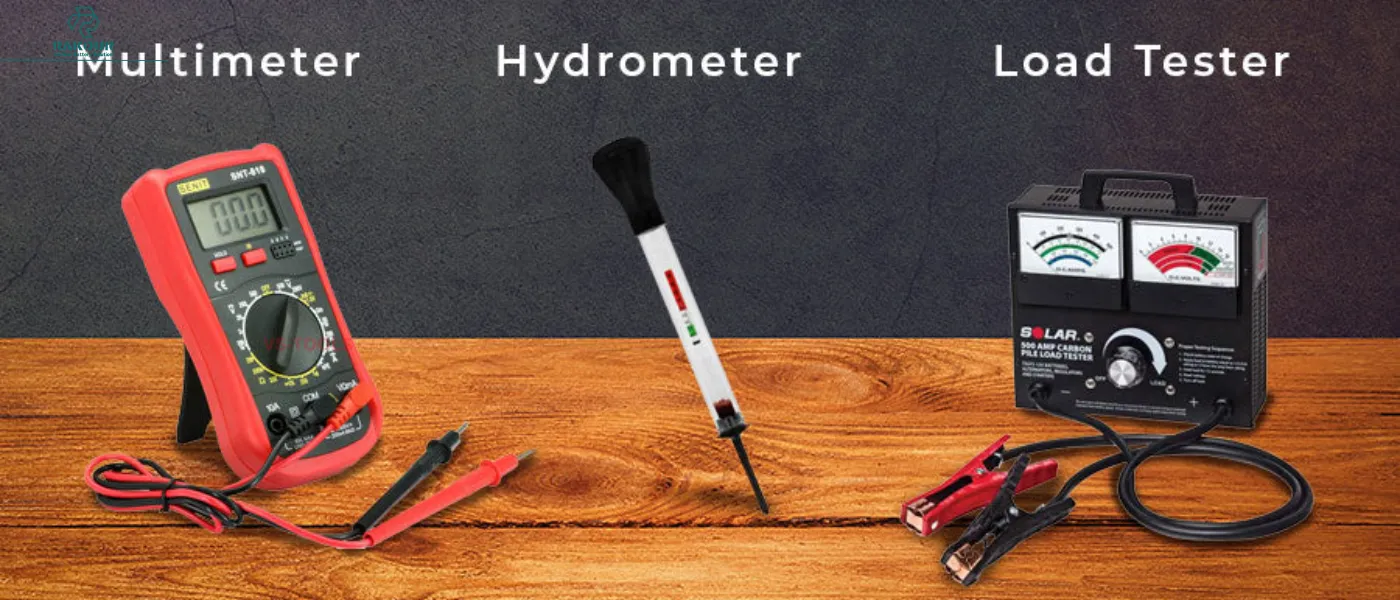
Deep Cycle Battery Tester: Definition and Applications
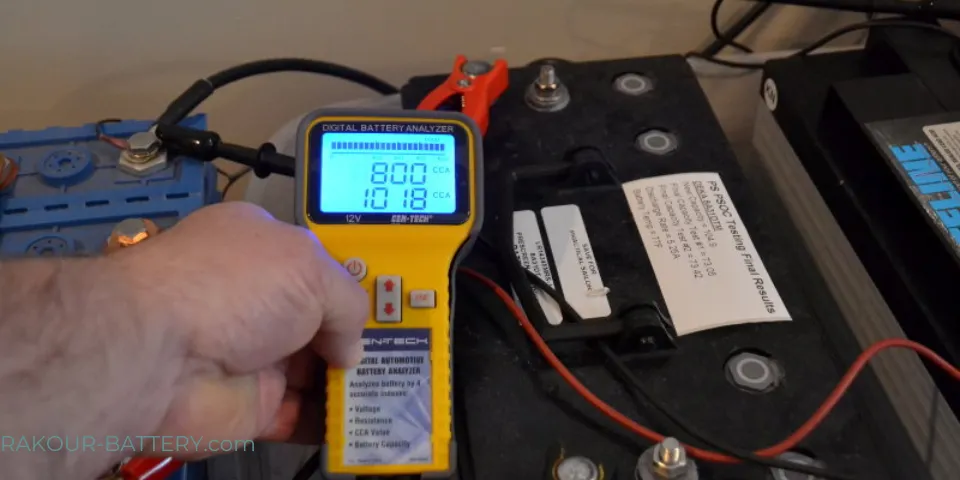
A deep cycle battery tester is designed specifically for batteries that undergo deep discharges, allowing them to maintain performance over multiple cycles. These batteries are ideal for applications requiring prolonged power supply, such as solar systems, RVs, boats, and electric tools. Unlike standard batteries, deep cycle batteries can handle discharges down to 20%-50% of their capacity without significant damage.
There are three main types of deep cycle batteries: lead-acid batteries, AGM (Absorbent Glass Mat) batteries, and lithium batteries. Each type has its unique advantages and is suited for different scenarios. For instance, lead-acid batteries are cost-effective but heavier; AGM trolling motor battery options offer better shock resistance and maintenance-free operation; while lithium batteries are lightweight and have a longer lifespan.
| Battery Type | Advantages | Disadvantages |
|---|---|---|
| Lead-Acid | Low cost, reliable | Heavy, shorter lifespan |
| AGM | Shock-resistant, sealed | Higher price |
| Lithium | Lightweight, long-lasting | Higher initial cost |
Importance of Load Testing with a Deep Cycle Battery Tester
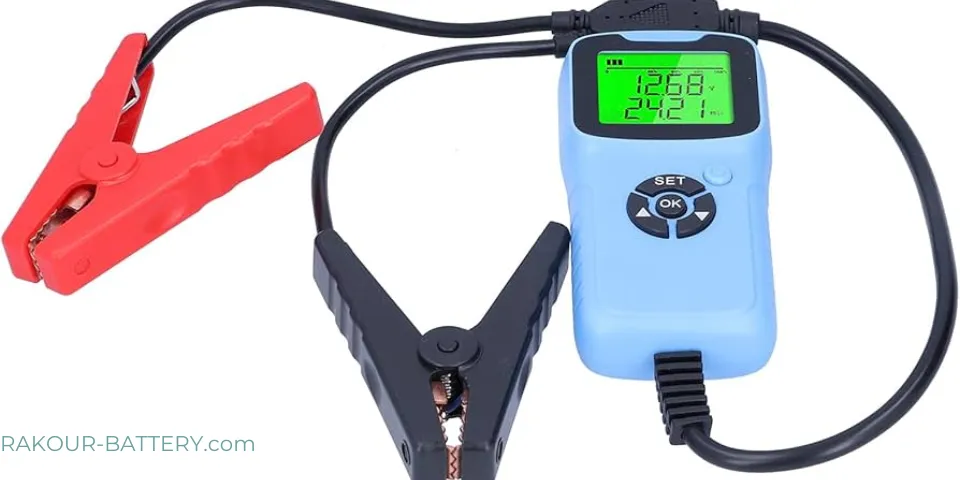
Using a deep cycle battery tester for load testing is essential to evaluate the performance of these batteries under real-world conditions. Load testing simulates the strain on the battery, similar to how athletes undergo stress tests. This process helps identify the health of the battery and any potential issues like increased internal resistance or reduced capacity.
To perform a load test, connect a load tester to the battery terminals and apply a load equal to half of the cold cranking amps (CCA) for about 10-15 seconds. During this time, monitor the voltage drop. A healthy deep cycle battery should maintain a voltage above 10.5 volts under load; if it falls below this threshold, it may indicate underlying problems.
Load testing is not only applicable for new deep cycle batteries but also for older ones needing maintenance checks. Regular testing ensures that your equipment remains in optimal working condition and enhances safety during use.
Steps for Conducting Load Testing
To effectively conduct a load test using a deep cycle battery tester, follow these steps:
- Ensure Full Charge: Before testing, confirm that the battery is fully charged using an appropriate charger.
- Connect Load Tester: Properly attach the load tester to the battery terminals, ensuring secure connections.
- Apply Load: Set the load tester to apply a load equal to half of the CCA and maintain it for 10-15 seconds while monitoring voltage changes.
- Analyze Results: A healthy battery should remain above 10.5 volts during testing. If readings drop below this level, further inspection or replacement may be necessary.
Regularly conducting these tests helps monitor the performance of your deep cycle battery, allowing you to catch potential issues early and avoid unexpected failures.
Types of Deep Cycle Batteries
The market offers three primary types of deep cycle batteries, each with distinct characteristics:
- Lead-Acid Batteries: These traditional batteries are widely used due to their affordability but tend to be heavier and have a shorter lifespan (500-1000 cycles).
- AGM Batteries: Known for their maintenance-free design and excellent vibration resistance, AGM batteries typically last longer (600-1100 cycles) than lead-acid options but come at a higher price point.
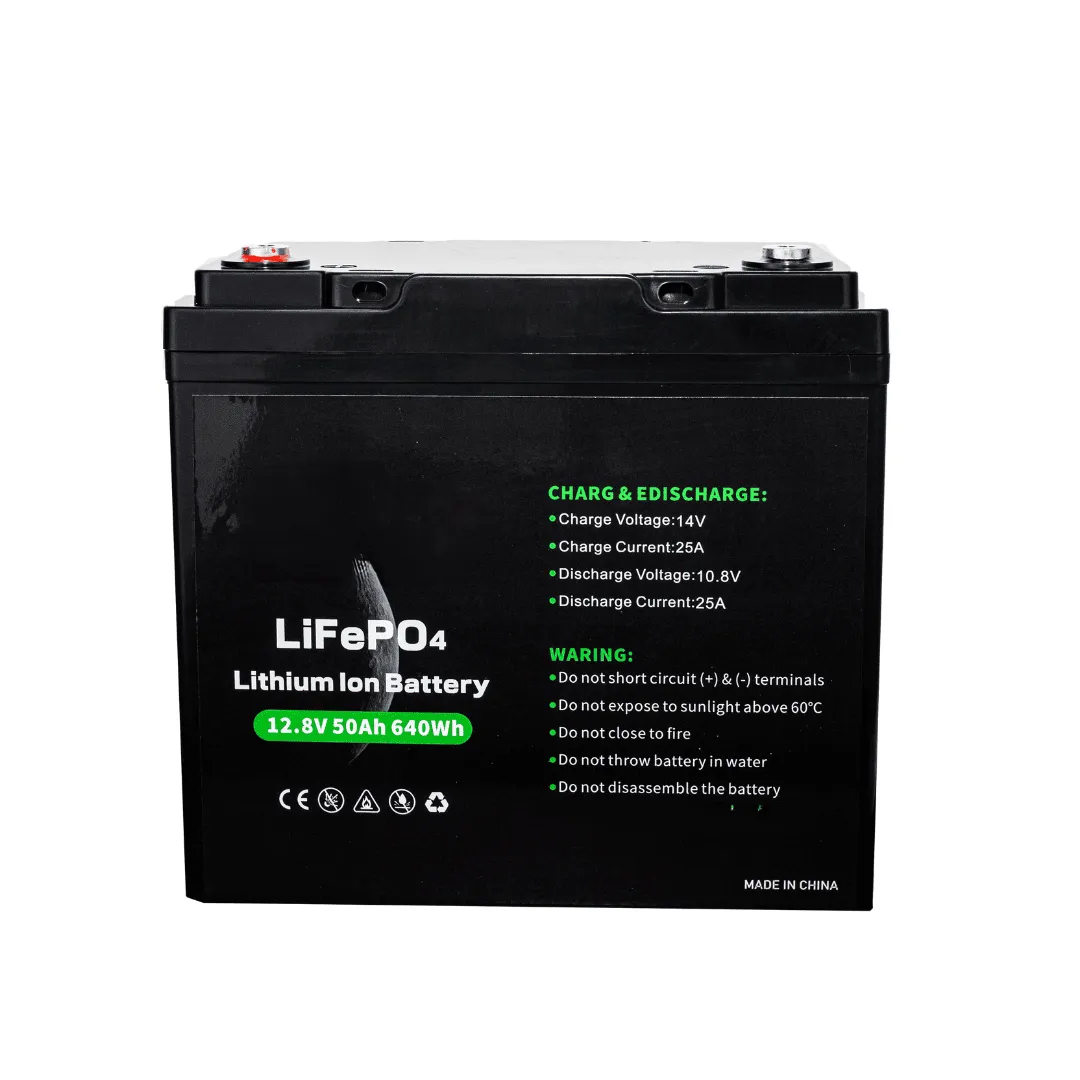
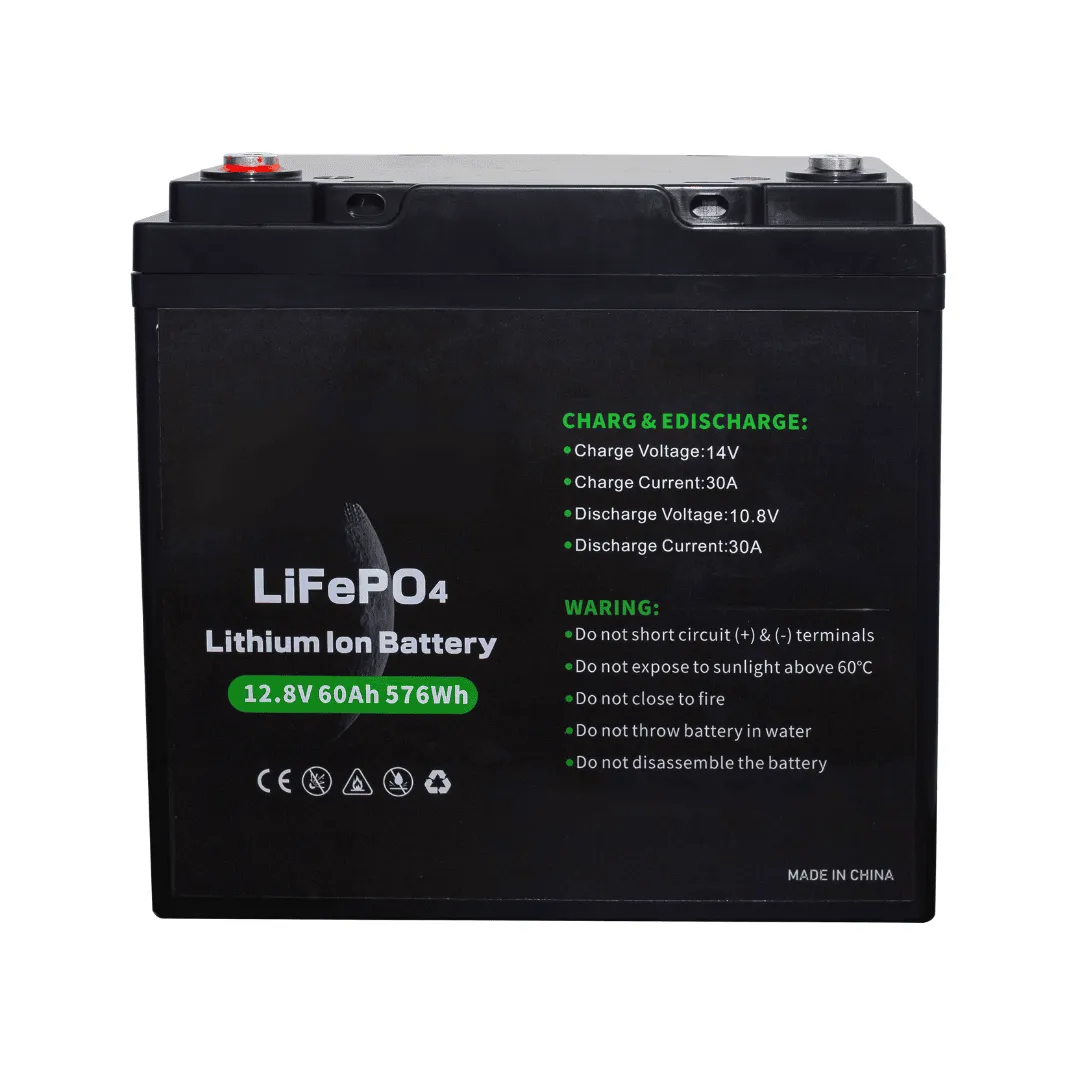
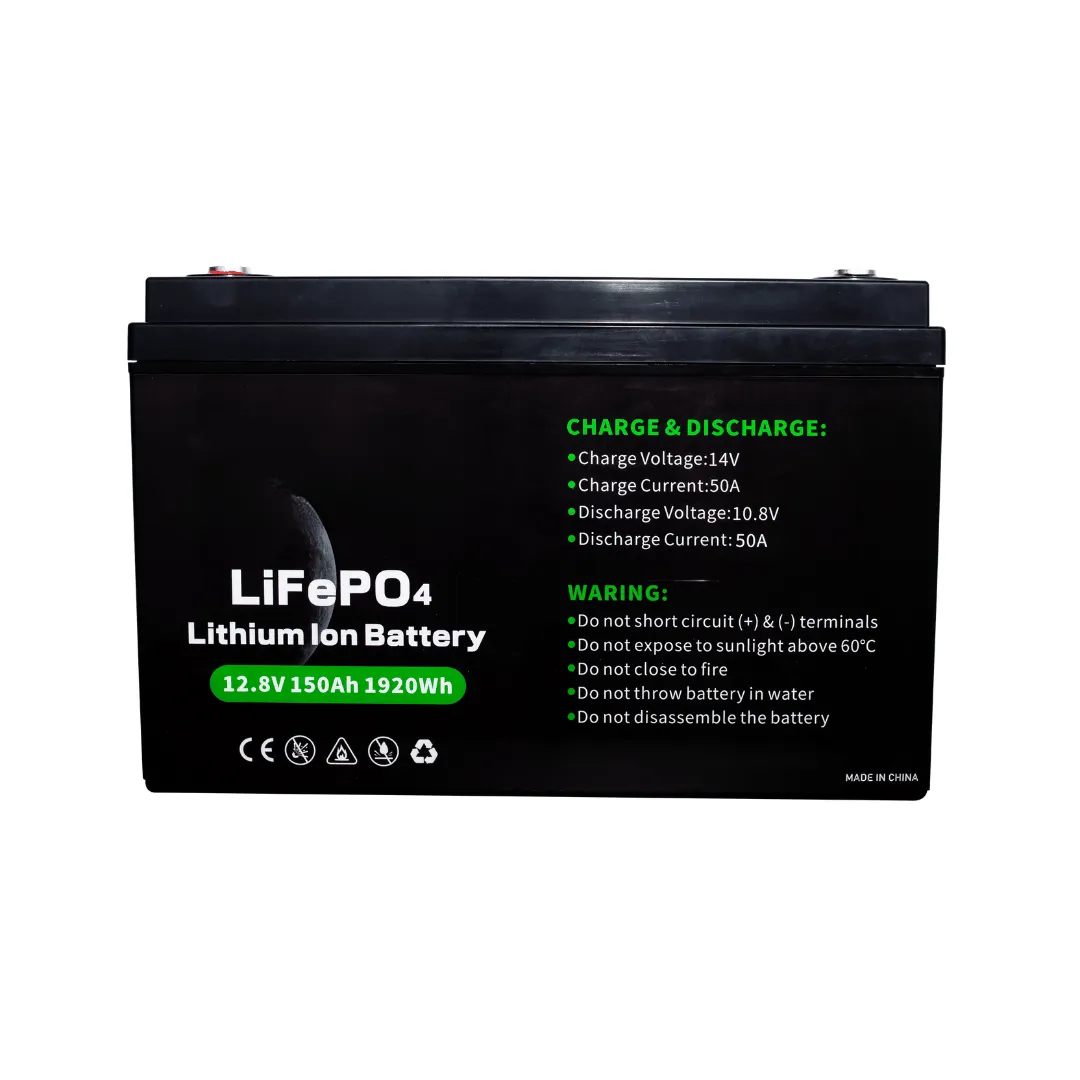
- Lithium Batteries: These modern power sources are lightweight and can last significantly longer (2000-5000 cycles). While they require a higher upfront investment, their efficiency and longevity often make them the best choice for serious users.
| Battery Type | Lifespan (Cycles) | Suitable Applications |
|---|---|---|
| Lead-Acid | 500-1000 | General use, low-power devices |
| AGM | 600-1100 | Solar systems, RVs |
| Lithium | 2000-5000 | High-power applications |
Lifespan of Deep Cycle Batteries
Typically, deep cycle batteries last around six years; however, various factors influence their actual lifespan. These include charging cycles, environmental conditions, and maintenance practices. Proper care can significantly extend their longevity.
To maximize the lifespan of your deep cycle battery:
- Avoid Frequent Deep Discharges: Keep discharges between 20%-50% capacity to minimize wear on the internal components.
- Regularly Charge Fully: Maintaining a full charge helps prevent sulfation in lead-acid types which can degrade performance over time.
- Control Environmental Conditions: Extreme temperatures affect performance; store batteries in moderate conditions to enhance durability.
Following these guidelines can help ensure your deep cycle battery remains functional longer while maintaining efficiency in powering your devices.
Related Products
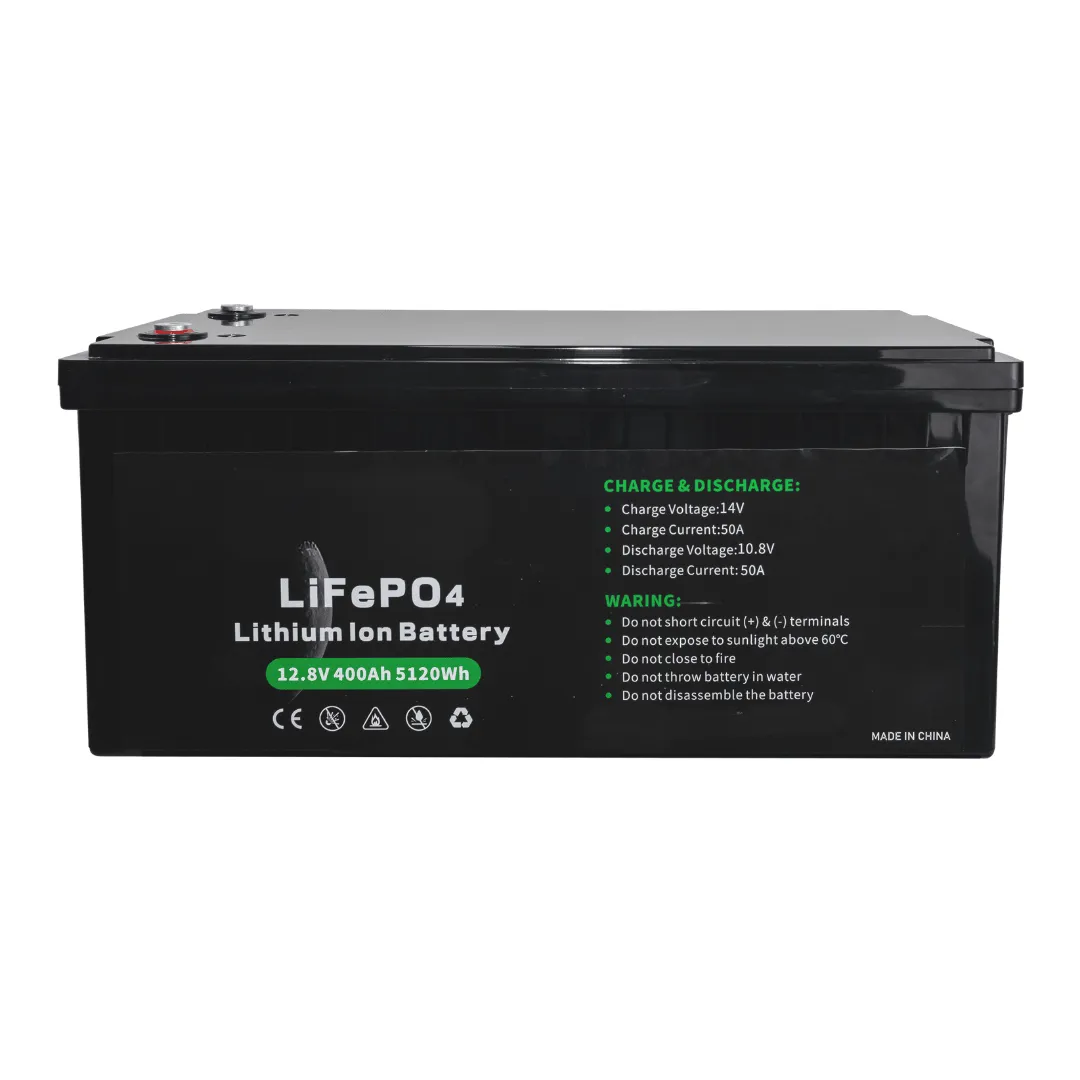


Functions of Comprehensive Testing Equipment
A comprehensive testing device serves multiple functions in evaluating deep cycle batteries. It can measure various parameters such as:
- Capacity: Determines how much energy the battery can provide.
- Internal Resistance: A critical factor affecting overall performance; high resistance indicates potential issues.
- Discharge Characteristics: Simulates actual usage conditions to assess how well the battery performs under load.
These testers often include data storage capabilities that allow users to track performance trends over time. This feature is particularly useful in industries where monitoring battery health is crucial for safety and efficiency.
Applications of Charge/Discharge Testers
Charge/discharge testers are specialized tools designed to simulate real-world usage in evaluating battery performance effectively. Their main functions include:
- Capacity Testing: Measures how much energy a battery can deliver under specific loads.
- Cycle Life Testing: Conducts multiple charge/discharge cycles to assess longevity over time.
- Safety Testing: Simulates extreme conditions (overcharging or excessive discharging) to ensure compliance with safety standards.
As technology advances, these testers increasingly incorporate smart features that enhance user experience by providing real-time data monitoring via apps or interfaces connected through Bluetooth or Wi-Fi.
Differences Between Deep Cycle and Starting Batteries
Deep cycle batteries differ significantly from starting batteries in several key aspects:
| Feature | Deep Cycle Battery | Starting Battery |
|---|---|---|
| Purpose | Designed for prolonged discharge | Engine starting power |
| Discharge Depth | Can handle 20%-50% depth | Not suitable for deep discharges |
| Lifespan | Longer lifespan | Shorter lifespan |
| Applications | Solar systems, RVs | Automotive starting |
Starting batteries provide quick bursts of power necessary for engine ignition but lack the capacity needed for extended use like powering electronics over time—a role best suited for deep cycle types.